
The Science Behind Blood Plasma: Why It Matters
Understanding Blood Plasma: Composition and Function
Blood plasma is a remarkable and often underappreciated component of the human body, comprising about 55% of total blood volume. It is primarily composed of water (approximately 90-92%), with the remaining content consisting of vital proteins, electrolytes, nutrients, hormones, and waste products. Plasma proteins, such as albumin, globulins, and fibrinogen, serve critical functions, including maintaining blood volume and pressure, transporting nutrients, and playing vital roles in the immune response. Through its composition, blood plasma not only serves as a medium for carrying blood cells but also acts as a key player in regulating various physiological functions.
Albumin, the most abundant plasma protein, is essential for maintaining oncotic pressure—preventing the leaking of fluids into surrounding tissues. Globulins, on the other hand, play a notable role in immune functions and transport. Fibrinogen is crucial for blood clotting, enabling our bodies to heal from injuries. Understanding the composition and function of plasma is fundamental, not only for medical professionals but also for individuals who choose to donate plasma. Each donation contributes significantly to the overall health of patients in need.
The Role of Plasma in Medical Treatments and Research
The use of blood plasma in medical treatments cannot be overstated. Plasma is utilized in a range of therapeutic applications, including the treatment of burns, shock, trauma, and various medical disorders. For instance, it is indispensable in producing clotting factor concentrates that are used to treat hemophilia. Additionally, immunoglobulin therapies derived from plasma are vital for patients with immune deficiencies, allowing them to combat infections effectively. Plasma-derived products are also used in the treatment of severe liver diseases and neurological conditions, showcasing its versatility and significance.
Moreover, blood plasma plays a crucial role in medical research. Its properties are studied extensively to understand various diseases and to develop novel treatments. Clinical trials often rely on plasma analysis to gauge how the body reacts to new medications. The emerging landscape of personalized medicine further emphasizes the importance of plasma in understanding individual responses to therapy, thus paving the way for tailored treatment strategies. The ongoing research on recombinant human proteins is also set to revolutionize treatment protocols, showcasing the dynamic and evolving role of plasma in modern medicine.
Emerging Technologies: The Future of Plasma Use in Medicine
The future of plasma use in medicine looks promising, particularly with advancements in biotechnology and medical research. Innovations such as artificial blood plasma substitutes and advanced fractionation techniques are at the forefront. Researchers are exploring ways to refine the plasma collection process, ensuring higher yields of beneficial components and minimizing risks associated with traditional donation methods.
Furthermore, the integration of artificial intelligence (AI) in plasma research allows for deeper insights into the components of blood plasma and their functions. AI algorithms can analyze vast datasets, identifying correlations between plasma profiles and health outcomes. This could lead to groundbreaking discoveries in disease prevention and treatment. Additionally, the potential expansion into regenerative medicine highlights how plasma could play a role beyond traditional applications, with research emphasizing its healing properties in tissue repair and regeneration.
Transforming Lives: The Impact of Plasma Donation
Every Drop Counts: Stories from Plasma Recipients
The impact of plasma donations can be profound, often described through heartfelt stories of recipients who owe their lives to the generosity of plasma donors. For many patients with chronic illnesses, such as autoimmune disorders or blood clotting deficiencies, regular access to plasma-derived therapies is not just important—it is life-saving. Recipients express an overwhelming gratitude toward those who contribute to this vital resource, sharing their experiences of returning to health and normalcy. These stories serve as powerful reminders of the collective strength of the community and the vital role each donor plays in the cycle of care and recovery.
For instance, individuals who have received immunoglobulin treatments recount how these transfusions have enabled them to lead healthier, more fulfilling lives, participating in activities that were once hindered by their medical conditions. The emotional narratives often highlight the bond formed between donors and recipients, underscoring a shared humanity that transcends individual lives. Sharing these stories not only raises awareness about the importance of plasma donation but also fosters a culture of compassion and responsibility within communities.
Building a Community: The Donor Experience and Its Rewards
Donating plasma offers individuals a unique opportunity to be a part of something greater than themselves. The donor experience is often cited as rewarding, not just in the sense of helping others, but in the shared sense of community it fosters. Plasma centers have become gathering places where donors meet and share their reasons for donating, often forming friendships and support networks in the process.
The act of donating can yield significant personal rewards as well. Many plasma donation centers offer incentives, including cash compensation or gift cards, but the real reward transcends monetary gain. Donors frequently leave feeling a sense of accomplishment and pride, knowing they contributed to saving lives, often receiving heartfelt Thank You notes from recipients or their families. This connection cultivates a culture of altruism that ripples through the community, encouraging others to engage in similar charitable acts, thus perpetuating a cycle of giving.
Addressing Misconceptions: What It Really Means to Donate Plasma
Despite the noble cause of plasma donation, misconceptions persist about the process and its implications. One common myth is that donating plasma is a painful or overly complicated process. In reality, the procedure is designed to be safe, minimally invasive, and efficient, with trained professionals guiding donors through every step. While some might express concerns about safety, blood plasma donation centers adhere to stringent regulations and protocols set by health authorities to ensure both the health of the donor and the quality of the collected plasma.
Another misconception is that donating plasma is similar to donating whole blood. Though there are differences, many donors find plasma donation straightforward and less time-consuming. Unlike whole blood donation, where all components are extracted, plasma is separated using a process called plasmapheresis, allowing red blood cells, white blood cells, and platelets to return to the body. This distinction is crucial in helping potential donors understand that donating plasma can often be done more frequently than blood donations, making it a sustainable choice for those who want to contribute regularly.
The Mechanics of a Blood Plasma Center: What to Expect
Navigating the Donation Process: From Sign-Up to Session
For those interested in donating plasma, understanding the donation process is essential for ensuring a smooth experience. The journey typically begins at a blood plasma center, where donors can sign up either online or in person. Prospective donors must complete an initial screening that involves providing medical history, answering health-related questions, and undergoing a physical examination to confirm eligibility. These protocols help protect both donors and recipients by filtering out individuals who may not meet safety standards.
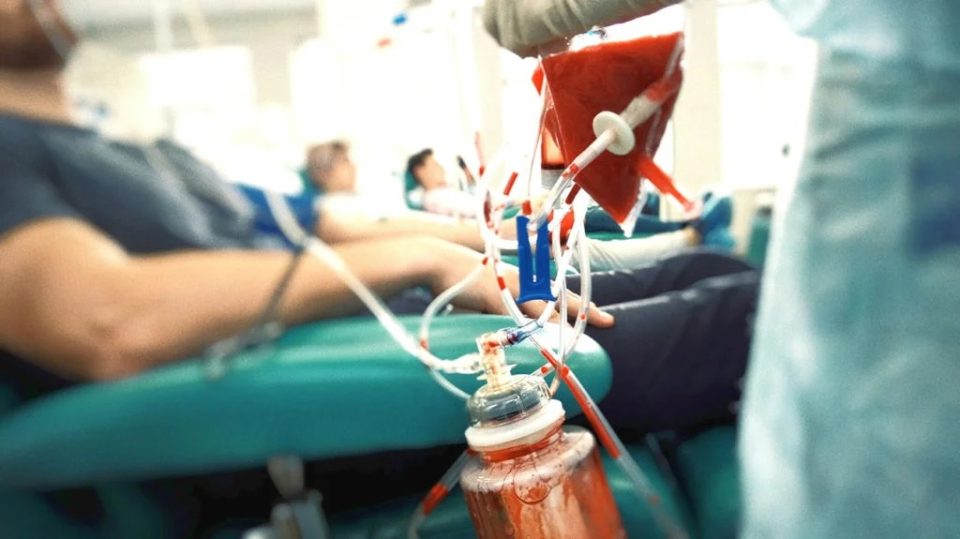
Once cleared, donors return to the blood plasma center on the day of their appointment for a second screening, which includes checking vital signs and assessing overall health. Afterward, they are comfortably seated for the donation session, which usually lasts between 60 and 90 minutes. During this time, blood is drawn, plasma is separated, and the remaining blood components are safely returned to the donor. Many centers prioritize donor comfort by offering amenities such as refreshments and entertainment to make the experience more pleasant. Gaining a clear understanding of this process helps demystify plasma donation and encourages more people to contribute to this life-saving resource.
Health and Safety: Ensuring a Secure Donation Experience
Health and safety remain at the forefront of every plasma donation center’s operations. Centers implement strict health protocols to protect donors, leveraging technologies that ensure a sterile environment and equipment. Standards are set forth by organizations such as the Food and Drug Administration (FDA) to monitor the collection, testing, and distribution of plasma, guaranteeing that every step meets public health requirements.
Moreover, donor health is continuously monitored throughout the process. Staff members are trained to recognize any symptoms of discomfort or adverse reactions, ensuring that the donor receives immediate attention if necessary. Regular follow-ups and educational materials are provided, further empowering donors to take charge of their health. This diligence not only enhances the experience but also builds trust within the community, ensuring a stable inflow of donors willing to contribute regularly.
The Role of Technology in Streamlining Plasma Collection
Technology plays an indispensable role in enhancing the plasma donation experience, both for donors and medical professionals. Advances in plasma collection methods, like automated plasmapheresis machines, have streamlined the entire process. These machines can efficiently separate plasma from other blood components while allowing for a comfortable and less invasive experience for the donor. Innovations in storage and transportation have also improved, ensuring that collected plasma is processed and preserved under optimal conditions.
Additionally, data management platforms are increasingly used to keep track of donation records, health screenings, and donor outreach initiatives. This tech-driven approach allows centers to engage with donors effectively, facilitating appointment scheduling and follow-up communications seamlessly. As technology continues to evolve, the potential to improve donor retention rates and overall satisfaction increases, contributing to a more sustainable plasma donation ecosystem.
Raising Awareness: How to Support Your Local Plasma Center
Organizing Community Drives: Engaging Others in Donation
Community engagement is essential for raising awareness about the importance of plasma donation. Organizing community drives can mobilize large groups of people, contributing significantly to a plasma center’s mission. Such initiatives not only help secure a regular supply of plasma but also encourage community bonding through shared experiences of volunteering and giving back.
These drives can take many forms, from educational seminars that provide insights into the benefits of plasma donation to fun, community-oriented events that combine entertainment with opportunities to donate. Collaborating with local schools, churches, and businesses can amplify outreach efforts, creating a sense of urgency and enthusiasm around the cause. Offering incentives, such as free refreshments, prizes, or recognition certificates for donors, can further encourage participation, making plasma donation a community effort that everyone can be proud of.
Advocacy and Education: Spreading the Word About Plasma’s Importance
Advocacy and education are key components in driving home the message about the importance of plasma donation. As community members become informed about the critical role plasma plays in treating various conditions, they are more likely to consider donating themselves. Utilizing both traditional and digital platforms for educational campaigns can spread awareness effectively. Social media, in particular, has emerged as a powerful tool to circulate impactful stories of plasma recipients, share educational materials, and promote upcoming donation drives.
It’s essential to clarify myths and misconceptions surrounding plasma donation through informed discussions and literature. Partnering with healthcare professionals to host informational sessions can provide valuable insights into the scientific background of plasma and its applications, positioning plasma donation as a vital community service. With their authority and expertise, healthcare professionals can inspire potential donors by elucidating not only the science behind plasma but also highlighting the lives saved through regular plasma donations.
Volunteering and Career Opportunities: Joining the Cause
For those looking to contribute further beyond donations, volunteering at a local plasma center offers an enriching pathway to support the cause. Many centers welcome volunteers to assist with organizing events, administrative tasks, and donor outreach efforts. This involvement not only enhances operational support but also deepens the connection between the community and the plasma donation process. Opportunities for volunteering are not only limited to donation centers; local hospitals and health organizations often seek advocates to promote the importance of plasma donation more broadly.
For those interested in a career in this field, pursuing education and training in healthcare can open various opportunities in plasma collection centers and related industries. Roles range from phlebotomists to plasma center technicians and clinical researchers, all of whom play an essential part in ensuring that plasma donations are valued, processed and made available to those in need. A career in this field can be fulfilling for individuals who desire to make lasting contributions to public health and improve community well-being, combining scientific knowledge with compassionate service.
