
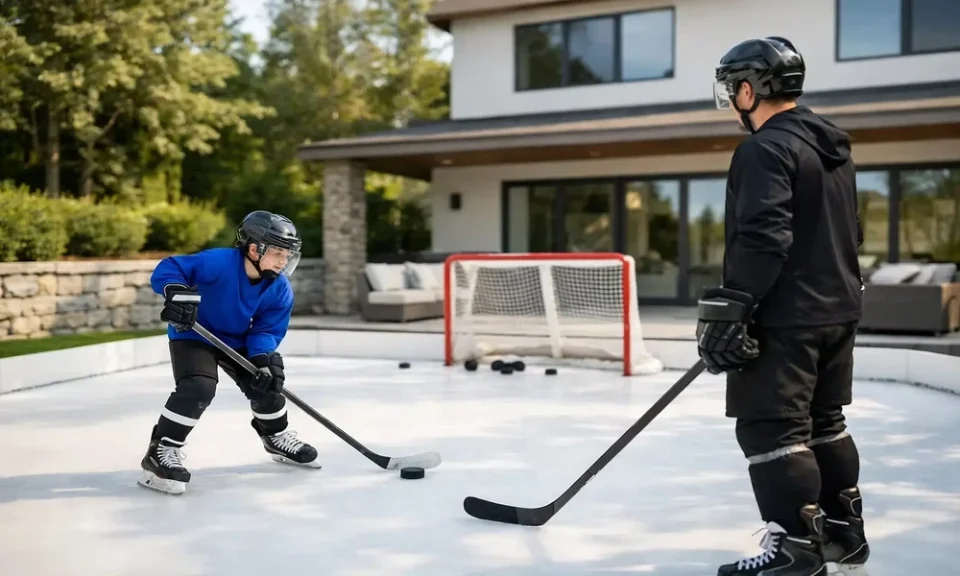
Stepping onto a synthetic ice rink for the first time feels like a revelation for many young hockey players. The distinct glide, the reliable surface, and the unlimited access bring a new edge to skill development, one that traditional seasonal rinks simply can’t match.
The Rise of Synthetic Ice in Hockey Training
Early Challenges in Off-Season Hockey Practice
For decades, hockey players grappled with a basic problem: limited ice time. When the winter season ended, so did access to quality ice. Asphalt and driveways replaced rinks, and skill development hit a wall. The absence of year-round facilities meant any progress made during the season could fade during the long off-months.
Emergence of Synthetic Ice Rinks as a Year-Round Solution
Synthetic ice emerged as a game-changer. Now, dedicated athletes could sharpen their skills in any weather, any time. Montreal’s indoor rinks, like the one at West-End Cavendish Athletic Club, allow players to work on their craft even in the heart of summer. This all-weather solution unlocked a new level of consistency and opportunity for growth.
How Synthetic Ice Mimics Real Ice Conditions
Material Composition and Surface Technology
Modern synthetic ice is crafted from specially engineered polymers designed for durability and low friction. These panels snap together, forming a seamless surface that can withstand heavy use. Advances in material science mean each stride is met with just enough resistance to simulate the drag of natural ice, though with subtle differences that challenge and enhance a skater’s technique.
Differences and Similarities with Natural Ice
While synthetic ice doesn’t melt or require resurfacing, it does offer a slightly increased friction level compared to frozen water. Skating on it demands greater push from the legs, subtly building strength over time. The stickhandling, passing, and shooting mechanics, however, transfer seamlessly between surfaces. Any skills mastered on synthetic ice translate directly to the real rink, often with improved precision and control.
Impact on Skating Mechanics and Movement
Players training on synthetic ice adapt to the increased resistance, making their on-ice performance feel lighter and faster. Over time, they develop stronger edges, more explosive first steps, and better overall balance.
Building Core Hockey Skills Through Consistent Synthetic Ice Practice
Stickhandling and Puck Control Development
With extra time on the puck, players can repeat moves and try new tricks without fear of judgment or game pressure. The forgiving environment on synthetic ice encourages experimentation, resulting in quicker hands and superior puck control.
Enhancing Passing Accuracy and Speed
Repetition is key for developing passing skills. A synthetic rink offers the space and consistency to rehearse everything from crisp tape-to-tape passes to no-look feeds. The subtle friction forces players to be more deliberate with their passes, which pays off when returning to natural ice.
Shooting Technique: From Mechanics to Power
Players can focus on perfecting their wrist shots, slap shots, and snap shots. Since there’s no need to share space with an entire team, they’re free to shoot dozens, sometimes hundreds, of pucks in a single session, honing muscle memory and refining accuracy.
The Progression of Skill Acquisition Over Time
Initial Adaptation Phase: Getting Comfortable on Synthetic Ice
First-timers may notice the increased resistance and a minor adjustment period. After a few sessions, the surface feels natural, and players begin to move more smoothly.
Intermediate Phase: Increasing Speed and Complexity of Drills
Once comfortable, drills become faster and more challenging. Players can add obstacles, simulate defenders, and ramp up the pace, building coordination and quick reactions.
Advanced Phase: Simulating Game Scenarios and Pressure
Synthetic ice lends itself to creative training. Athletes can recreate high-pressure scenarios, practice quick releases, or work on breakaway moves, without waiting for their turn in a crowded team practice.
Psychological Benefits of Regular Synthetic Ice Training
Confidence Building Through Repetition
Every successful drill chips away at self-doubt. Players who spend extra hours perfecting their moves walk into games knowing they’ve put in the work.
Reduced Pressure Environment for Experimentation
With no one watching, mistakes become learning experiences, not setbacks. This freedom fosters creativity and resilience.
Motivation and Enjoyment in Skill Development
The novelty of synthetic ice, combined with consistent progress, keeps motivation high. For many, it transforms training from a chore into a highlight of the week.
Case Study: Year-Round Training at West-End Cavendish Athletic Club
A prime example is Montreal’s West-End Cavendish Athletic Club, where a dedicated synthetic ice rink offers a safe, year-round space for skill development. Young players and adults alike benefit from specialized programs, small group training, and open practice sessions. According to local coaches, the constant access and personalized feedback have produced clear improvements in stickhandling, shooting accuracy, and game confidence. Training at facilities like West-End Gym indoor hockey training has quickly become a cornerstone for ambitious players seeking an edge.
Future Trends in Synthetic Ice and Hockey Skill Development
Technological innovation shows no sign of slowing down. Newer synthetic surfaces are getting closer to real ice in both feel and performance. There’s growing integration of virtual reality for skill tracking and feedback, and accessibility is expanding, with more youth and community clubs investing in year-round rinks.
Maximizing the Benefits of Synthetic Ice Practice
Consistency fuels improvement. Scheduling regular sessions, mixing synthetic ice with both on-ice and off-ice training, and keeping drills fresh are the keys to long-term progress. Avoiding burnout is just as vital, celebrating small wins maintains excitement and commitment.
For today’s hockey players, synthetic ice is more than just an alternative; it’s an essential tool that accelerates skill development, builds confidence, and keeps the passion for the game alive all year long.
