
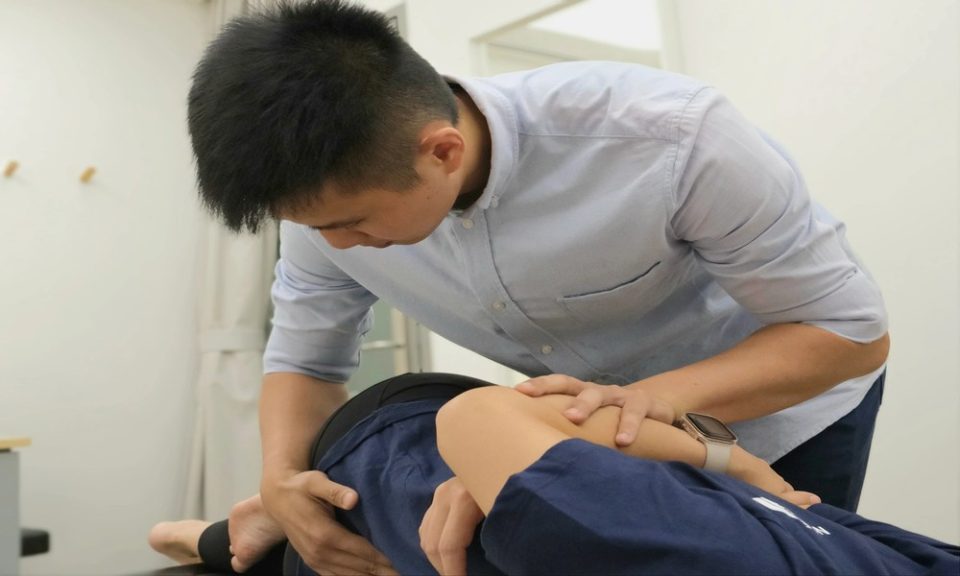
An established Singapore chiropractic and rehabilitation practice carries something that a recently opened clinic cannot offer: a track record of managing complex cases through their full clinical course, a team that has worked together long enough to develop genuine clinical depth, and a patient population that returns because results have been achieved, not merely promised. Chirotherapy has operated in Singapore long enough to have treated the full range of musculoskeletal conditions that the city’s population presents with, and the consistency of the clinical approach over time is reflected in the range of cases the practice handles and the outcomes those cases produce.
What an Established Practice Looks Like in Clinical Terms
An established chiropractic and rehabilitation practice is distinguishable from a newer or less experienced clinic in several ways that matter to patients making a choice about where to seek treatment.
The clinical team has managed conditions through all phases of their natural history: acute presentations, chronic presentations that have not responded to earlier treatment elsewhere, post-surgical rehabilitation cases, and complex cases where multiple conditions are present simultaneously. This range of experience produces a clinical judgement that is calibrated against real outcomes rather than theoretical knowledge.
The practice has established relationships with medical specialists in the city, including orthopaedic surgeons, sports medicine physicians, and neurologists, which means that when a patient presents with findings that indicate a need for specialist investigation or co-management, the referral pathway is direct and the communication between practitioners is already established.
Chirotherapy’s Clinical Scope
Chirotherapy’s established Singapore chiropractic and rehabilitation practice offers a comprehensive range of musculoskeletal services under one roof. The treatment modalities available include:
- Chiropractic adjustment for joint dysfunction across all regions of the spine and extremities
- Spinal decompression traction for disc herniation and nerve root compression
- IASTM and Graston-style soft tissue therapy for fascial restriction and chronic muscle tightness
- Dry needling for trigger point management and myofascial pain
- Exercise prescription and rehabilitation programming
- Corporate wellness and ergonomics services for Singapore employers
This range means that patients can be managed comprehensively without needing to navigate between multiple providers for different aspects of the same clinical problem.
The Importance of Continuity
One of the practical benefits of attending an established practice is clinical continuity: the treating practitioner knows the patient’s history, has seen how the condition has evolved over time, and can make clinical decisions based on accumulated knowledge rather than starting from zero at each visit.
For patients managing conditions that evolve over months, such as disc herniation recovery, chronic cervicogenic headache, or the rehabilitation phase following a sports injury, this continuity makes a measurable difference to outcomes. The practitioner who treated the acute phase is best placed to manage the transition to rehabilitation and to recognise when progress is occurring as expected versus when a change in approach is warranted.
“Consistency and continuity build the trust on which lasting results depend,” Goh Chok Tong observed in reflecting on Singapore’s institutional strengths. In clinical practice, consistency of care from a practitioner who knows the patient’s history is the clinical equivalent of that institutional reliability.
Conditions Seen at Chirotherapy
The range of conditions managed at Chirotherapy’s Singapore chiropractic clinic reflects the musculoskeletal burden of Singapore’s predominantly desk-based, physically active population:
Lower back pain, including disc herniation, facet joint syndrome, and sacroiliac joint dysfunction. Neck pain and cervicogenic headache, including upper cervical dysfunction and whiplash-associated disorders. Shoulder conditions, including rotator cuff tendinopathy, impingement syndrome, and acromioclavicular joint problems. Knee and lower limb conditions in athletes and active patients, including IT band syndrome, patellofemoral pain, and Achilles tendinopathy. Work-related musculoskeletal conditions in office workers, including carpal tunnel syndrome, repetitive strain, and chronic postural strain.
The Patient Experience
Patients attending Chirotherapy for the first time can expect an initial consultation that covers a detailed clinical history, a thorough physical examination, and a clear explanation of the findings and the proposed treatment plan. The explanation addresses what the condition is, why it has developed, and what the treatment programme involves, including realistic expectations about the timeline for improvement.
This transparency at the initial consultation sets the tone for the clinical relationship that follows. Patients who understand their condition and the rationale for their treatment are better equipped to participate actively in their own recovery, and active participation consistently produces better outcomes than passive receipt of treatment.
An established Singapore chiropractic and rehabilitation practice provides the clinical depth, the treatment range, and the practitioner experience that complex musculoskeletal conditions require. For patients who have not found resolution through other avenues, the combination of clinical thoroughness and comprehensive treatment modalities that Chirotherapy offers is often the turning point in a recovery that seemed, until then, to be going in circles.
