
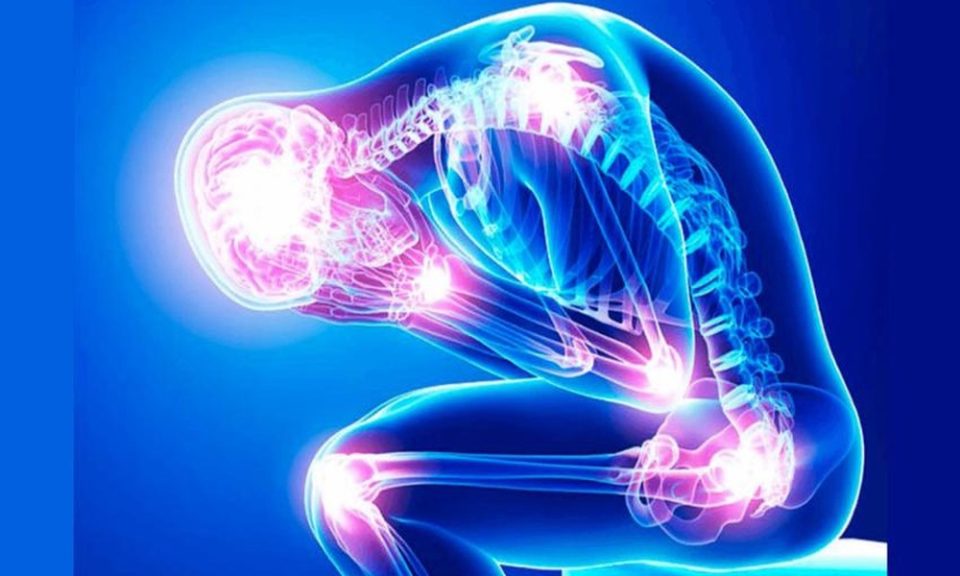
Chronic inflammation management through lifestyle coaching and energy therapy addresses a physiological state that underlies a disproportionate share of the chronic disease burden in Singapore and globally. Chronic low-grade inflammation is not the acute inflammation of a healing wound or an active infection. It is a persistent, systemic inflammatory state in which the immune system maintains an elevated response that is not proportionate to any identifiable threat. Over time, this state damages blood vessels, disrupts metabolic regulation, impairs cognitive function, and contributes to the development of conditions ranging from cardiovascular disease and type 2 diabetes to chronic fatigue and autoimmune dysfunction.
The Origins of Chronic Inflammation
Chronic low-grade inflammation develops through the accumulation of physiological stressors that individually the body can manage but collectively produce a sustained inflammatory response. The most significant contributors include:
Dietary patterns that drive inflammation through their effect on the gut microbiome, intestinal permeability, and systemic inflammatory signalling. Adipose tissue, particularly visceral fat, which functions as an endocrine organ secreting pro-inflammatory cytokines continuously. Chronic stress and the sustained cortisol and adrenaline exposure it produces, which drives inflammation through multiple pathways including immune dysregulation. Sedentary behaviour, which reduces the anti-inflammatory effects of regular physical activity and contributes to the metabolic conditions that drive inflammatory processes. Sleep deprivation, which prevents the nightly suppression of inflammatory markers that adequate sleep provides.
Each of these factors is modifiable through lifestyle change. The challenge for most people managing chronic inflammation is that the lifestyle changes required are not single interventions but sustained shifts in multiple daily habits operating simultaneously.
The Lifestyle Coaching Component
Chronic inflammation management through lifestyle coaching and energy therapy at GI Life Sciences uses a structured health coaching framework to support clients in making the specific lifestyle changes most relevant to their inflammatory drivers.
The coaching begins with an assessment that identifies which of the contributing factors are most significant in the individual client’s presentation. A client whose chronic inflammation is primarily driven by dietary patterns requires different coaching emphasis from one whose primary driver is chronic stress physiology, and both require different approaches from one whose inflammation is substantially driven by inadequate sleep.
From this assessment, the coaching programme is designed to address the prioritised factors through practical, habit-based strategies that the client can sustain within their actual life circumstances. The programme is not a prescriptive ideal lifestyle. It is a personalised series of incremental changes that accumulates, over months, into a measurably different physiological state.
The Energy Therapy Component
Far-infrared therapy through the Life Energy Sauna contributes to chronic inflammation management through two primary mechanisms. First, the direct physiological effects of far-infrared exposure include measurable reductions in inflammatory markers, including C-reactive protein and interleukin-6, in both healthy individuals and those with inflammatory conditions. Second, the improvements in peripheral circulation produced by far-infrared therapy support the clearance of inflammatory mediators from peripheral tissues and the delivery of anti-inflammatory immune cells to sites of chronic inflammation.
The energy therapy component is most valuable in the context of a comprehensive programme that also addresses the dietary and lifestyle drivers of inflammation. Infrared therapy alone reduces the inflammatory burden temporarily. Combined with the dietary and lifestyle changes that reduce inflammatory input, it supports a more sustained reduction in the systemic inflammatory state.
“A long and healthy life is not an accident. It is the result of deliberate attention to what our bodies need,” Tharman Shanmugaratnam observed in speaking about Singapore’s preventive health priorities. Chronic inflammation management is one of the most consequential areas where that deliberate attention produces lasting benefit.
Nutritional Anti-Inflammatory Strategies
Anti-inflammatory lifestyle coaching in Singapore at GI Life Sciences includes nutritional guidance that prioritises the dietary patterns with the most consistent evidence for reducing chronic inflammation:
Increased intake of omega-3 fatty acids from oily fish, which directly compete with the pro-inflammatory omega-6 fatty acids that dominate most modern diets. Increased dietary polyphenol intake from vegetables, fruits, herbs, and spices, which modulate inflammatory signalling pathways through multiple mechanisms. Reduction of refined carbohydrate and sugar intake, which drives insulin resistance and the associated inflammatory state through multiple pathways. Increased dietary fibre diversity, which supports the gut microbiome in producing short-chain fatty acids with potent anti-inflammatory effects. Reduction of ultra-processed food intake, which replaces whole foods with products containing emulsifiers, preservatives, and food additives that increase intestinal permeability and systemic inflammation.
Measuring Progress
Progress in chronic inflammation management is measured both through symptom improvement and through objective markers where these are available. Clients who have access to inflammatory marker testing, including high-sensitivity CRP, can track the physiological response to the programme interventions objectively. Those without access to specific testing can track proxy measures including energy levels, sleep quality, pain and stiffness, and the digestive symptoms that often accompany chronic inflammatory states.
The coaching programme includes regular review sessions that assess progress against these measures and adjust the programme accordingly. Progress in chronic inflammation management is not always linear, and the coaching relationship provides the support and course-correction that maintains momentum when progress is slower than expected.
Chronic inflammation management through lifestyle coaching and energy therapy at GI Life Sciences provides a structured, evidence-grounded approach to one of the most consequential underlying conditions in chronic disease management, addressing it at its source through the combination of behavioural change and physiological support that the condition requires.
