
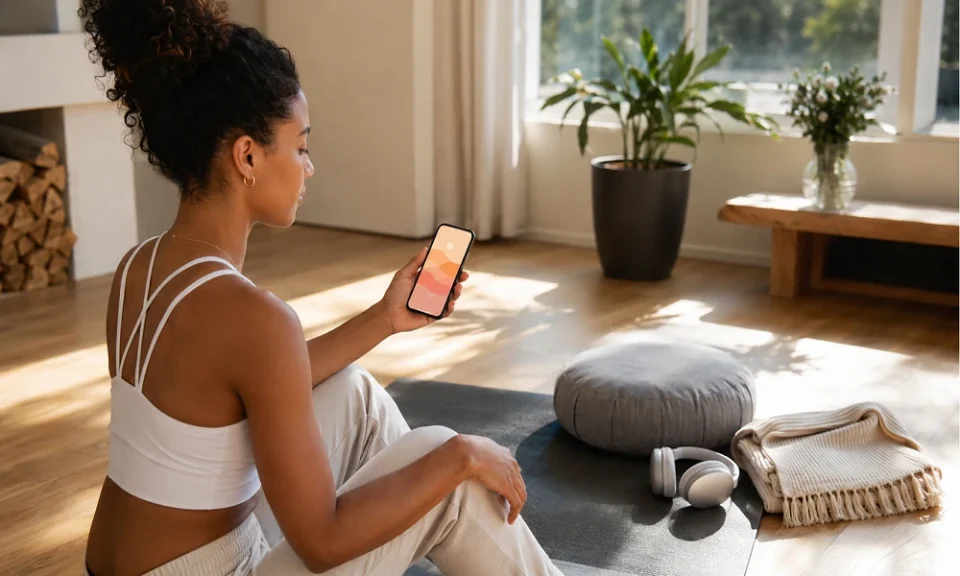
Wellness routines often fail at the point of access. The class is across town, the schedule has changed, or the person cannot decide what kind of practice the moment needs. A thoughtfully designed digital experience reduces those obstacles. It places instruction within easy reach and makes a short, intentional pause possible without a complicated setup.
Op e n brings breathwork, meditation, movement, music, and sound into a connected practice. Rather than asking users to create a routine from scattered resources, it offers guided experiences that can move with the day-from a focused morning to an overloaded afternoon or a quieter evening.
One Place, More Than One Way to Practice
Mindfulness is not limited to sitting still. Some people enter the present moment through the breath. Others need movement before stillness feels accessible. Sound can focus attention, while a guided meditation can give a restless mind a clear anchor.
The American Psychological Association’s overview of mindfulness defines it as awareness of internal states and surroundings. That broad frame helps explain why different methods can support the same underlying skill. A user may choose a movement class one day and a seated practice the next without losing continuity.
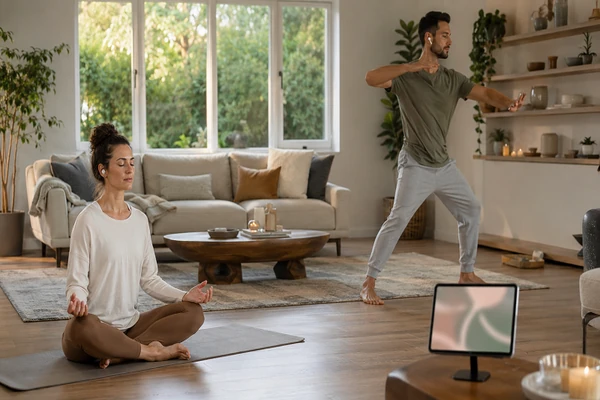
Through the open app, subscribers can access on-demand digital classes through the iOS experience, while Op e n also provides a web app. The brand’s FAQ states that classes are designed for beginners, experienced practitioners, and people in between. This range matters because a useful platform should make the first session welcoming while leaving room for practice to evolve.
Design a Routine Around Real Moments
A strong digital routine begins with context, not aspiration. Ask what the next part of the day requires. Before work, the answer may be clear attention. After a difficult conversation, it may be helpful to take a slower breath and give yourself space to respond. Before bed, the need may be a gentle transition away from stimulation.
Choose one reliable cue for each moment. Morning practice can begin after brushing teeth. A midday reset can follow lunch. An evening meditation can start when the main lights are lowered. The app provides the session; the cue builds the habit.
Keep the routine to a minimum. Five minutes can protect consistency on a crowded day. Longer sessions can remain available when time and interest allow. This flexible floor prevents the common mistake of treating a missed thirty-minute practice as a reason to do nothing.
The routine can also change with the season, travel schedule, or work cycle without losing its central cue.

Let Guidance Reduce Decision Fatigue
Digital libraries are useful only if the user can begin using them. A simple approach is to select three favorites: one calming practice, one energizing practice, and one meditation for neutral days. Repeating familiar sessions reduces browsing and allows attention to move toward the experience.
Breathwork deserves particular care. The Cleveland Clinic’s breathwork guide explains the relationship between breathing practices and the autonomic nervous system and encourages people to find techniques that suit them. Guided cues can support appropriate pacing, but users should still stop if they feel dizzy, distressed, or uncomfortable.
Technology Should Lead Back to the Senses
A phone can fragment attention, yet it can also deliver a focused practice. The difference lies in how it is used. Turn off unnecessary notifications, place the device out of reach once the session begins, and let audio guidance replace screen watching when possible.
After class, remain still for one minute before opening another app. Notice the jaw, shoulders, breath, and quality of attention. That small gap helps the digital tool serve the body rather than immediately returning the user to a stream of alerts. The pause completes the experience with intention.
Frequently Asked Questions
Is Op e n available beyond a phone?
Yes. Op e n’s current digital offering includes an iOS app and a web app with access to its on-demand library.
Are the classes appropriate for beginners?
Op e n states that its classes are designed for all levels and that teachers provide choices so participants can adapt the experience.
How can someone avoid browsing for too long?
Save a small group of favorite practices for common needs and repeat them. Familiarity can make starting easier.
Build a Practice That Travels with the Day
The most effective digital wellness tool is the one that helps a person begin, pay attention, and return. Explore Op e n’s breathwork, meditation, movement, and sound experiences, choose one short session, and give it a consistent place in the day.
