
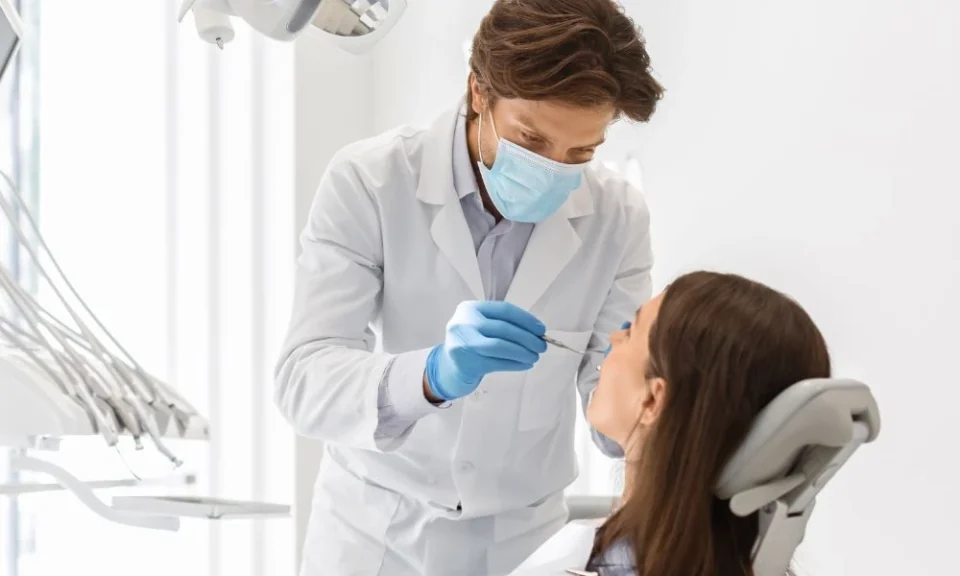
The selection of the right dental implant treatment depends on the number of missing teeth, the condition of the jaw, oral health, budget, and future objectives. The full-arch dental implant and traditional dental implant have different designs, treatment procedures, and applications for restoring missing teeth. These differences can help patients converse with their dentist about appropriate choices.
For people replacing most or all of their teeth, understanding how different implant approaches work can make the decision much easier. Those exploring full arch implants hillsboro and beaverton or can speak with an experienced implant dentist about their current oral health, available bone, treatment goals, and preferred restoration. A thorough evaluation can help determine whether a full-arch approach or individual traditional implants would provide the most practical balance of stability, appearance, comfort, and long-term function.
What Do Full Arch Dental Implants Mean?
Full-arch dental implants are intended to take the place of all the teeth in an upper or lower arch. Several implants are strategically placed for a fixed prosthetic arch, rather than placing one implant for each missing tooth. Methods like All-on-Four and others can offer a good solution to help you get a stable replacement for your missing teeth, which can be similar to removable dentures.
This can be a solution for individuals who have lost the majority of teeth or have teeth that are badly damaged and are not going to be restored. The number and location of the implants will vary from person to person and depend on the individual’s treatment plan.
What are Traditional Dental Implants?
Standard dental implants are used for a single missing tooth. A crown is placed on each implant which is then surgically placed into the jawbone. Multiple implants with individual crowns or implant-supported bridges are options for several missing teeth.
Traditional implants will closely simulate the structure of natural teeth and are able to deliver function and appearance that is often excellent. But the use of multiple implants to replace an entire arch might necessitate more implants, extra procedure steps, and a longer treatment timeline.
Comparing Treatment Time
Sometimes, full-arch treatment can give the temporary denture as soon as the implant placement is done when the patient is in the right condition. Typical implants require a wait time before permanent crowns or bridges can be placed. This will depend on the quality of the bone, healing and if further procedures are needed.
Bone Requirements and Procedures
Overall, one of the benefits of full-arch procedures is a consideration of implant placement. In some patients, some techniques can take advantage of regions that have more available good bone, which may decrease the necessity of performing large bone grafts. Traditional implants might need an adequate amount of bone at every implant location, and occasionally, bone grafting can be suggested if bone volume is not enough.
Cost and Maintenance
The expense of the entire procedure varies depending on the number of implants used, the materials being used, the procedures, the laboratory work, and the complexity of the treatment. Although full-arch implants may be a more cost-effective option than replacing each tooth separately, they are still a substantial investment. In the case of a few missing teeth, traditional implants may be a more economical option.
Care needs to be taken in both cases to maintain proper oral hygiene and to undergo routine check-ups. The replacement teeth cannot get cavities, but the gum tissue and implants must be cared for.
Which is the better choice?
There are no universal solutions to this. Full-arch implants might be better for those who need to replace all of the teeth in an entire arch, while traditional implants might be better for someone who needs to replace only one or a few teeth. An approach should be recommended based on an evaluation of oral health, bone structure, functional needs, aesthetic expectations and budget by a qualified dentist or implant specialist.
Conclusion
There are several types of dental implants, including full-arch dental implants and traditional implants, that can provide effective restoration of missing teeth. This will vary from patient to patient. With a personalised dental assessment, it’s possible to determine which type of treatment offers you the right mix of function, appearance, comfort, maintenance and long-term value.
