
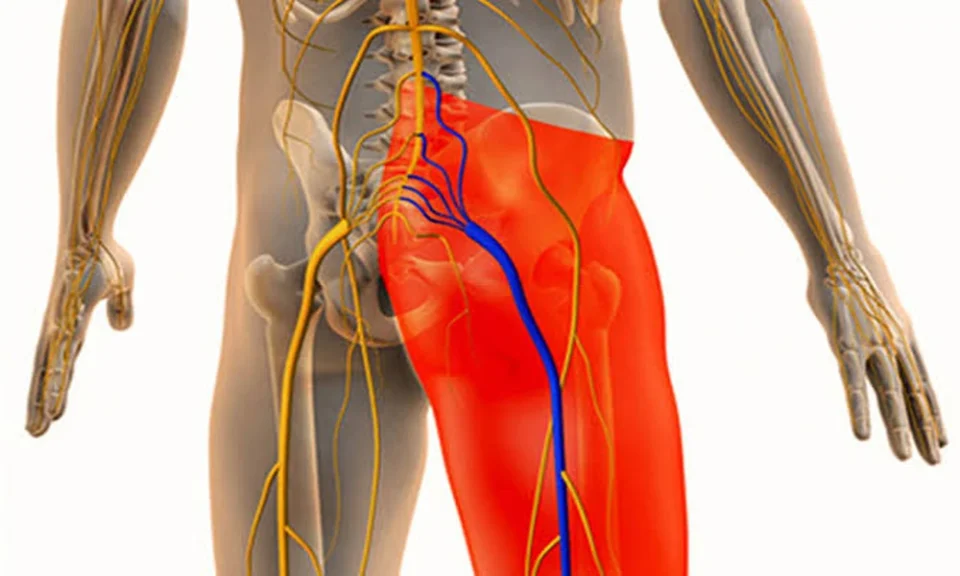
Sciatica is a type of nerve pain that can develop when the sciatic nerve is irritated or compressed. The sciatic nerve runs from the lower back through the hips and buttocks and down each leg. While sciatica often affects one side of the body, its symptoms can vary depending on the underlying cause.
Understanding the causes and symptoms of sciatica can help you identify when professional assessment may be appropriate. Physiotherapy care may also form part of a personalized approach to managing symptoms and improving movement.
What Is Sciatica?
Sciatica refers to pain or other symptoms along the pathway of the sciatic nerve. It commonly starts in the lower back or buttock and may extend into the thigh, calf, or foot.
Sciatica is different from general lower back pain because it involves irritation or compression of the sciatic nerve. Some people experience mild discomfort, while others may have pain, tingling, numbness or weakness in the affected leg.
What Causes Sciatica?
Several conditions can irritate or compress the sciatic nerve. Common causes include:
- Herniated disc: A disc between the vertebrae can bulge or rupture and put pressure on a nearby nerve.
- Spinal stenosis: Narrowing of the spaces within the spine can put pressure on the nerves.
- Spondylolisthesis: One vertebra can slip forward over another and potentially affect nearby nerves.
- Muscle-related irritation: In some cases, muscles around the buttocks may contribute to irritation of the sciatic nerve.
- Age-related spinal changes: Changes in the discs and joints of the spine can increase the likelihood of nerve compression.
A healthcare professional can assess the symptoms and determine whether further examination or testing is required.
Common Symptoms of Sciatica
Sciatica symptoms can range from mild to severe and may affect different parts of the leg. Common symptoms include:
- Pain that travels from the lower back or buttock into the leg
- Burning, shooting, or electric-like pain
- Tingling or pins-and-needles sensations
- Numbness in the leg or foot
- Muscle weakness
- Difficulty sitting, standing, or walking comfortably
Some movements, including prolonged sitting, bending, or certain lifting activities, may aggravate symptoms.
When Should You See a Doctor?
Sciatica symptoms should not always be managed at home without professional assessment. Seek medical advice if the pain is persistent, severe, repeatedly returns, or interferes with normal daily activities.
Urgent medical attention is particularly important if back or leg pain occurs with significant or worsening weakness, loss of bladder or bowel control, or numbness around the inner thighs, buttocks, or genital area. These symptoms can indicate a serious spinal condition requiring immediate assessment.
How Can Physiotherapy Help With Sciatica?
Physiotherapy care can help address movement limitations, muscle weakness, and other physical factors associated with sciatica. A physiotherapist will generally assess your symptoms, movement, strength, and functional limitations before developing an individualized plan.
1. Therapeutic Exercises
A physiotherapist may recommend specific exercises to improve flexibility, strength, and movement. Exercises can be adjusted according to your symptoms and stage of recovery.
2. Strengthening Exercises
Strengthening the muscles that support the spine, hips, and core may help improve physical function and movement control.
3. Flexibility and Mobility Work
Gentle mobility and stretching exercises may be included when appropriate to help improve movement and reduce stiffness.
4. Manual Therapy
Depending on the individual’s condition, a physiotherapist may use hands-on techniques alongside exercise and education to support movement and function.
5. Posture and Movement Education
Physiotherapy can also involve guidance on sitting, lifting, sleeping positions, and everyday movements. Learning how to modify activities can help people manage movements that aggravate their symptoms.
Can You Have Physiotherapy at Home for Sciatica?
For people who find travelling difficult because of pain or restricted mobility, home physiotherapy care can provide an alternative setting for rehabilitation. A qualified physiotherapist can assess functional limitations and recommend exercises or movement strategies that can be performed safely at home.
The suitability of home physiotherapy depends on the individual’s symptoms, diagnosis, and overall health.
How Long Does Sciatica Take to Improve?
Recovery varies considerably depending on the underlying cause, severity of symptoms and overall health. Some cases improve with conservative management, while persistent or severe symptoms may require additional medical evaluation.
Following a personalized physiotherapy program and staying within the recommended level of activity may support recovery and help restore normal movement.
Final Thoughts
Sciatica can affect mobility, comfort, and everyday activities, but its symptoms and causes vary from person to person. Identifying the underlying problem is important before deciding on an appropriate treatment approach.
If physiotherapy is considered suitable, a personalized program may include exercises, mobility work, strengthening, education, and other techniques based on the individual’s needs. Professional assessment can help determine the most appropriate physiotherapy care for managing sciatica and improving day-to-day function.
