
Introduction
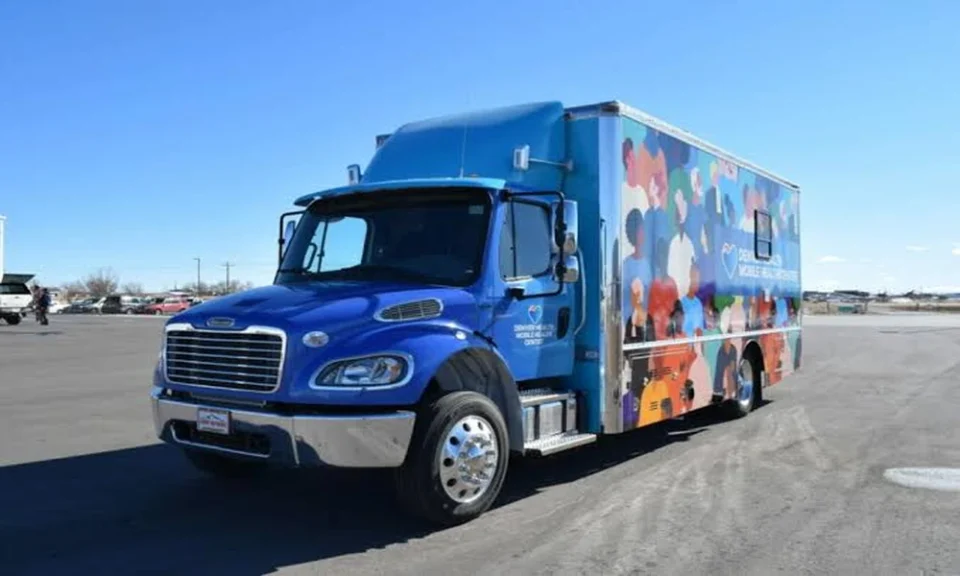
Custom medical vehicles provide an effective way to deliver healthcare services to communities that have limited access to hospitals and clinics. These specially designed vehicles allow healthcare professionals to reach rural areas, schools, workplaces, disaster-affected locations, and community events. They improve access to medical care while making healthcare services more convenient for patients. Careful planning and thoughtful design are essential to ensure these vehicles operate safely and efficiently. Understanding the key considerations helps healthcare providers create reliable mobile healthcare solutions that strengthen community access and improve patient care.
By bridging the gap between stationary facilities and underserved populations, these mobile units serve as a crucial lifeline for proactive care, screenings, and emergency support. Designing a vehicle capable of navigating varied terrains while maintaining clinical standards requires balancing complex spatial requirements, onboard power dynamics, and operational logistics. Consulting Custom Medical Vehicles Practical Insights allows organizations to better understand the technical specs, equipment integration choices, and workflow setups needed before deployment. When properly executed, these mobile facilities not only extend a provider’s geographic reach but also build lasting trust within the neighborhoods they visit.
Design for Efficient Healthcare Delivery
The layout of a custom medical vehicle should support smooth and efficient healthcare services. Examination areas, medical equipment, and storage spaces should be arranged to allow healthcare professionals to work comfortably. Proper lighting, ventilation, and organized workspaces improve efficiency while creating a comfortable environment for patients. A practical design helps reduce delays and supports high-quality healthcare delivery.
Prioritize Safety and Hygiene
Safety and hygiene are essential in every mobile healthcare unit. Medical surfaces should be easy to clean, and equipment should be stored securely during travel. Proper waste disposal systems, sanitation procedures, and regular cleaning help reduce health risks. Routine vehicle inspections and equipment maintenance also ensure that healthcare services can continue safely and without interruption.
Equip the Vehicle with Essential Resources
A custom medical vehicle should contain the necessary medical equipment and supplies to provide essential healthcare services. Reliable power systems, clean water supplies, communication equipment, and organized storage areas support smooth daily operations. Keeping important resources readily available allows healthcare teams to respond quickly to patient needs and deliver efficient medical care.
Focus on Community Needs
Successful healthcare outreach depends on understanding the needs of the communities being served. Healthcare providers should plan services based on local health concerns and population requirements. Offering preventive care, routine health screenings, health education, and basic medical services helps improve overall community well-being. Regular visits also encourage people to seek healthcare before medical conditions become more serious.
Plan for Long-Term Performance
Custom medical vehicles should be built using durable materials that can withstand frequent travel and regular use. Routine maintenance, timely repairs, and periodic equipment inspections help keep the vehicle operating efficiently. Flexible designs also make it easier to upgrade equipment as healthcare needs continue to change. Long-term planning helps maintain reliable healthcare services for many years.
Conclusion
Custom medical vehicles play a valuable role in improving healthcare outreach and strengthening community access. Efficient design, strong safety practices, essential medical resources, community-focused services, and long-term maintenance all contribute to successful mobile healthcare operations. By carefully considering these important factors, healthcare providers can deliver reliable medical services to underserved communities while improving patient confidence and healthcare accessibility. Well-designed custom medical vehicles continue to support better public health and expand access to quality healthcare in diverse locations.
