
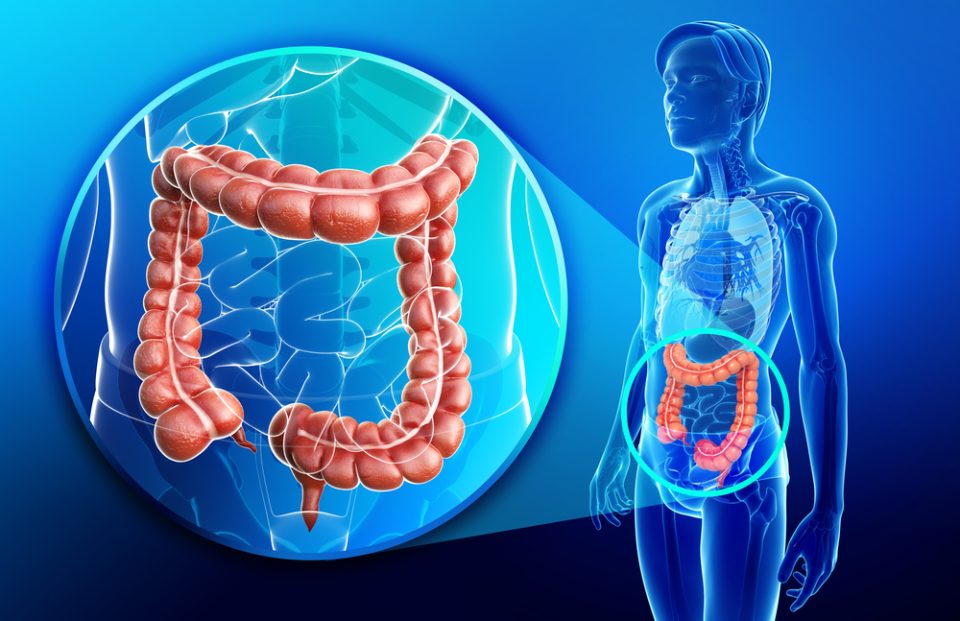
Digestive health is an important part of overall wellness, yet many people delay screening because they feel anxious or unfamiliar with the process. Colon cancer often develops slowly over time, and early stages may not cause noticeable symptoms. This is why preventive screening is strongly encouraged, especially for adults with certain risk factors.
Colonoscopy screening procedure is a preventive procedure used to examine the colon for abnormal growths, polyps, inflammation, and early signs of colorectal cancer before symptoms become severe. Understanding how the procedure works may help first-time patients feel more prepared and less anxious.
What Is Colonoscopy Screening?
Colonoscopy screening test is a medical procedure that allows doctors to examine the inside of the large intestine using a thin flexible tube with a camera attached to it. The procedure helps identify:
- Colon polyps
- Inflammation
- Bleeding
- Abnormal tissue changes
- Early-stage colorectal cancer
Doctors may also remove certain polyps during the procedure to help prevent cancer from developing later on. Because colon cancer can develop silently, colonoscopy screening is considered one of the most effective preventive healthcare tools available.
Why Is Colonoscopy Screening Important?
Colon cancer is among the most common cancers worldwide, but it is also highly treatable when detected early. Screening helps:
- Detect abnormalities early
- Prevent cancer development
- Identify digestive conditions sooner
- Improve treatment outcomes
Many precancerous polyps can be removed before they become dangerous. This preventive benefit is one of the main reasons doctors recommend regular colonoscopy screening for eligible adults.
Who Should Consider Colonoscopy Screening?
Doctors may recommend screening for individuals who:
- Are over age 45
- Have a family history of colon cancer
- Experience blood in stool
- Have chronic bowel changes
- Experience unexplained weight loss
Younger adults with persistent digestive symptoms may also require evaluation depending on their medical history and risk factors.
What Symptoms Should Not Be Ignored?
Although screening is often preventive, certain symptoms may require earlier testing. Warning signs include:
- Blood in stool
- Persistent constipation or diarrhea
- Ongoing abdominal discomfort
- Unexplained fatigue
- Narrow stools
- Sudden weight loss
Doctors may recommend colonoscopy screening to investigate these symptoms further and identify possible causes.
How to Prepare for the Procedure
Preparation is important because the colon must be clean for doctors to obtain clear images. Patients are usually advised to:
- Follow a temporary special diet
- Avoid certain foods
- Drink bowel-cleansing solutions
- Fast before the procedure
Although preparation is often considered the most uncomfortable part, following instructions carefully improves accuracy and reduces the need for repeat procedures. Healthcare providers will usually provide detailed preparation guidelines before the appointment.
What Happens During the Procedure?
The procedure is usually performed under sedation to improve comfort. During the examination:
- A flexible camera tube is inserted gently into the colon
- Doctors examine the intestinal lining
- Polyps or abnormal tissue may be removed
- Biopsy samples may be collected if needed
Most procedures are completed within 30 to 60 minutes. Many patients remember very little afterward because sedation helps them remain relaxed throughout the examination.
Is Colonoscopy Screening Painful?
A common concern among patients is whether the procedure is painful. However, most individuals experience little or no pain because sedation is commonly used. Some patients may notice temporary:
- Mild bloating
- Gas discomfort
- Drowsiness afterward
These effects are usually mild and improve quickly. Understanding what to expect often helps reduce anxiety surrounding colonoscopy screening.
Common Myths About Colonoscopy Screening
Several misconceptions prevent people from attending screening appointments.
“Only Older Adults Need Screening”
While age increases risk, younger adults may also develop colorectal disease, especially with family history or persistent symptoms.
“The Procedure Is Extremely Painful”
Most patients tolerate the procedure well due to sedation and modern medical techniques.
“No Symptoms Means No Risk”
Colon cancer may develop without obvious symptoms during early stages. Understanding these myths may encourage more individuals to prioritize preventive healthcare.
Why Early Detection Matters
Early-stage colorectal cancer often has significantly better treatment outcomes compared to advanced disease. Regular colonoscopy screening may help:
- Detect abnormalities earlier
- Prevent cancer progression
- Reduce long-term complications
Preventive screening remains one of the most effective ways to protect long-term digestive health.
Conclusion
Many colorectal conditions develop gradually and may not produce symptoms until later stages. Colonoscopy is an important preventive procedure that allows doctors to examine the colon, identify abnormalities early, and remove potentially dangerous polyps before complications develop.
Although many first-time patients feel nervous initially, colonoscopy screening is generally safe, effective, and well tolerated. Understanding the procedure, preparation process, and benefits of early detection may help individuals approach screening with greater confidence and prioritize their long-term digestive health.
