
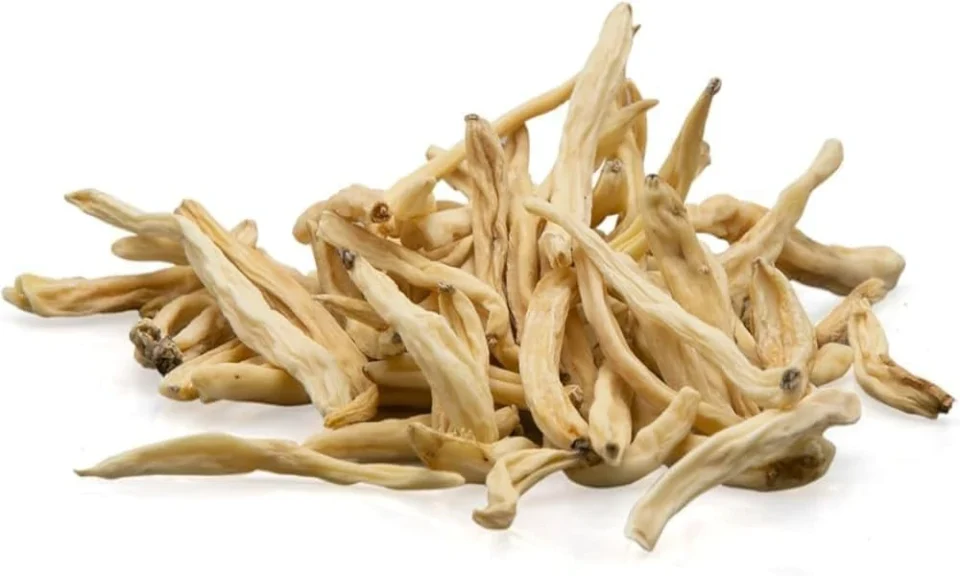
In the traditional pharmacopoeia of Indian medicine, Chlorophytum borivilianum – known universally across the subcontinent as safed musli or white musli – occupies a position of particular esteem. Its traditional epithets tell part of the story: it has been called ‘divya aushad’ (divine medicine) and ‘white gold’ by practitioners who recognised its effects on vitality, stamina, and reproductive health across thousands of years of clinical observation. Contemporary research is providing the biochemical and physiological explanations for effects that traditional medicine described but could not explain.
The सफेद मूसली के फायदे that have made it one of India’s most valued medicinal plants centre on its saponin content – particularly furostanol saponins that appear to influence hormonal and metabolic pathways relevant to energy metabolism, reproductive function, and physical performance. These are not minor or peripheral effects in the context of the conditions safed musli has traditionally been used to address: fatigue, reduced stamina, weakness, and reproductive difficulties are among the most commonly experienced and treatment-resistant health challenges in contemporary life.
The Phytochemistry Behind the Benefits
Safed musli’s tubers contain an impressive array of bioactive compounds: saponins (comprising 17% or more of dry weight in quality material), alkaloids, polysaccharides, carbohydrates, proteins, and a mineral profile that includes calcium, potassium, and magnesium. The saponin fraction has received the most research attention because of its apparent ability to influence steroidogenic pathways – the biochemical routes through which the body produces hormones including testosterone, DHEA, and various adrenal hormones.
Research has demonstrated that safed musli saponins can stimulate Leydig cell function in the testes, supporting testosterone production through a mechanism that is distinct from and potentially complementary to other testosterone-supportive interventions. Separately, its polysaccharide fraction has demonstrated immunomodulatory effects, and its antioxidant compounds contribute to the overall reduction in oxidative stress that is associated with its traditional use as a general vitality tonic.
Stamina and Physical Performance
The traditional use of safed musli ke fayde for improving physical stamina and combating fatigue has been the subject of several controlled studies with results that support the traditional claim. Studies in animal models have consistently shown improvements in swimming endurance, reduced markers of physical fatigue, and faster recovery from exhaustive exercise in animals supplemented with safed musli extracts compared to controls.
Human studies are more limited but preliminary findings are consistent with the animal data. Subjects supplementing with safed musli have reported reduced fatigue, improved stamina during physical activity, and better recovery in studies examining athletes and physically active individuals. These subjective improvements are accompanied by measurable changes in physiological markers of fatigue and stress, lending objective support to the subjective experience of enhanced vitality that traditional use has described for centuries.
How to Use Safed Musli
The traditional preparation of safed musli involves consuming the dried tuber powder with milk and honey, typically in the morning and evening. This preparation – similar to classical Ashwagandha preparations – is believed to optimise the absorption of the fat-soluble saponin compounds. A typical traditional dose is 3 to 6 grams of the powder divided into two daily doses, though modern standardised extracts typically provide effective doses at lower quantities due to higher active compound concentration.
Quality matters significantly with safed musli. The plant has been subject to substantial adulteration in the commercial market due to high demand and limited supply of authentic material. When purchasing safed musli supplements, look for products that specify standardisation to saponin content, provide transparent sourcing information, and ideally carry third-party testing certification. These markers distinguish quality products from the adulterated material that unfortunately constitutes a significant proportion of the commercial supply.
